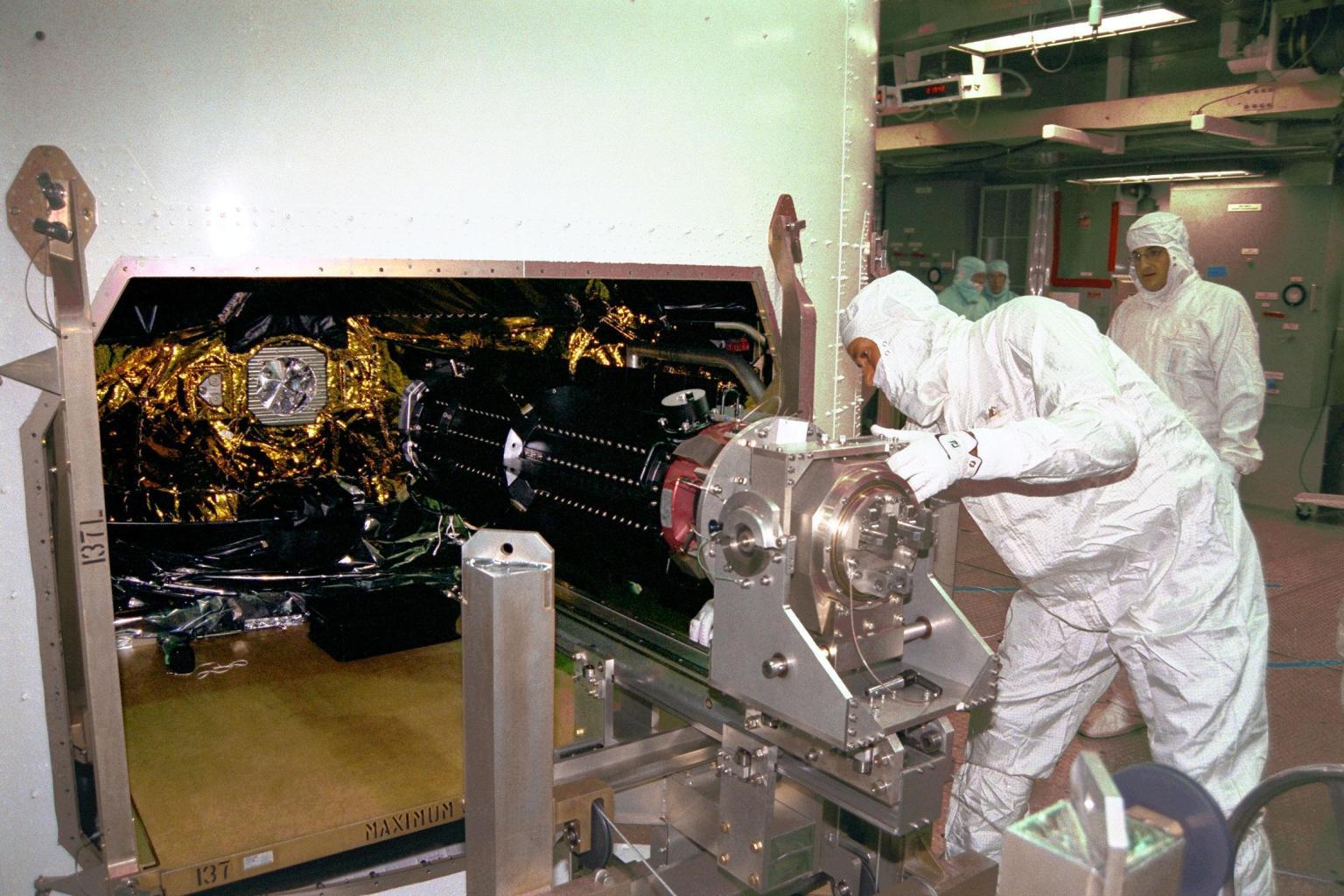
As NASA continues to innovate for the benefit of humanity, agency inventions that use new structures to harness sunlight for space travel, enable communications with spacecraft at record-breaking distances, and determine the habitability of a moon of Jupiter, were named Wednesday among TIME’s Inventions of 2024.
“The NASA workforce — wizards, as I call them — have been at the forefront of invention and technology for more than 65 years,” said NASA Administrator Bill Nelson. “From developing Europa Clipper, the largest satellite for a planetary mission that NASA has ever launched, to the Advanced Composite Solar Sail System, and communicating with lasers from deep space, NASA is improving our understanding of life on Earth — and the cosmos — for the benefit of all.”
Solar Sailing with Composite Booms

NASA’s Advanced Composite Solar Sail System is testing technologies that could allow spacecraft to “sail on sunlight,” using the Sun’s rays for propulsion. Like a sailboat turning to catch the wind, a solar sail adjusts its trajectory by angling its sail supported by booms deployed from the spacecraft. This demonstration uses a composite boom technology that is stiffer, lighter, and more stable in challenging thermal environments than previous designs. After launching on April 23, aboard Rocket Lab’s Electron rocket, the mission team met its primary objective by deploying the boom and sail system in space in August. Next, they will work to prove performance by using the sail to maneuver in orbit.
Results from this mission could provide an alternative to chemical and electric propulsion systems and inform the design of future larger-scale missions that require unique vantage points, such as space weather early warning satellites.
Communicating with Lasers from Deep Space

Since launching aboard NASA’s Psyche spacecraft on Oct. 13, 2023, a Deep Space Optical Communications technology demonstration has delivered record-breaking downlink data rates to ground stations as the Psyche spacecraft travels through deep space. To demonstrate the high data rates that are possible with laser communications, photos, telemetry data from the spacecraft, and ultra-high-definition video, including a streamed video of Taters the cat chasing a laser pointer, have been downlinked over hundreds of millions of miles. The mission, which is managed by NASA’s Jet Propulsion Laboratory in Southern California, has also sent and received optical communications out to Mars’ farthest distance from Earth, fulfilling one of the project’s primary goals.
Searching for Life’s Ingredients at Jupiter’s Icy Moon Europa
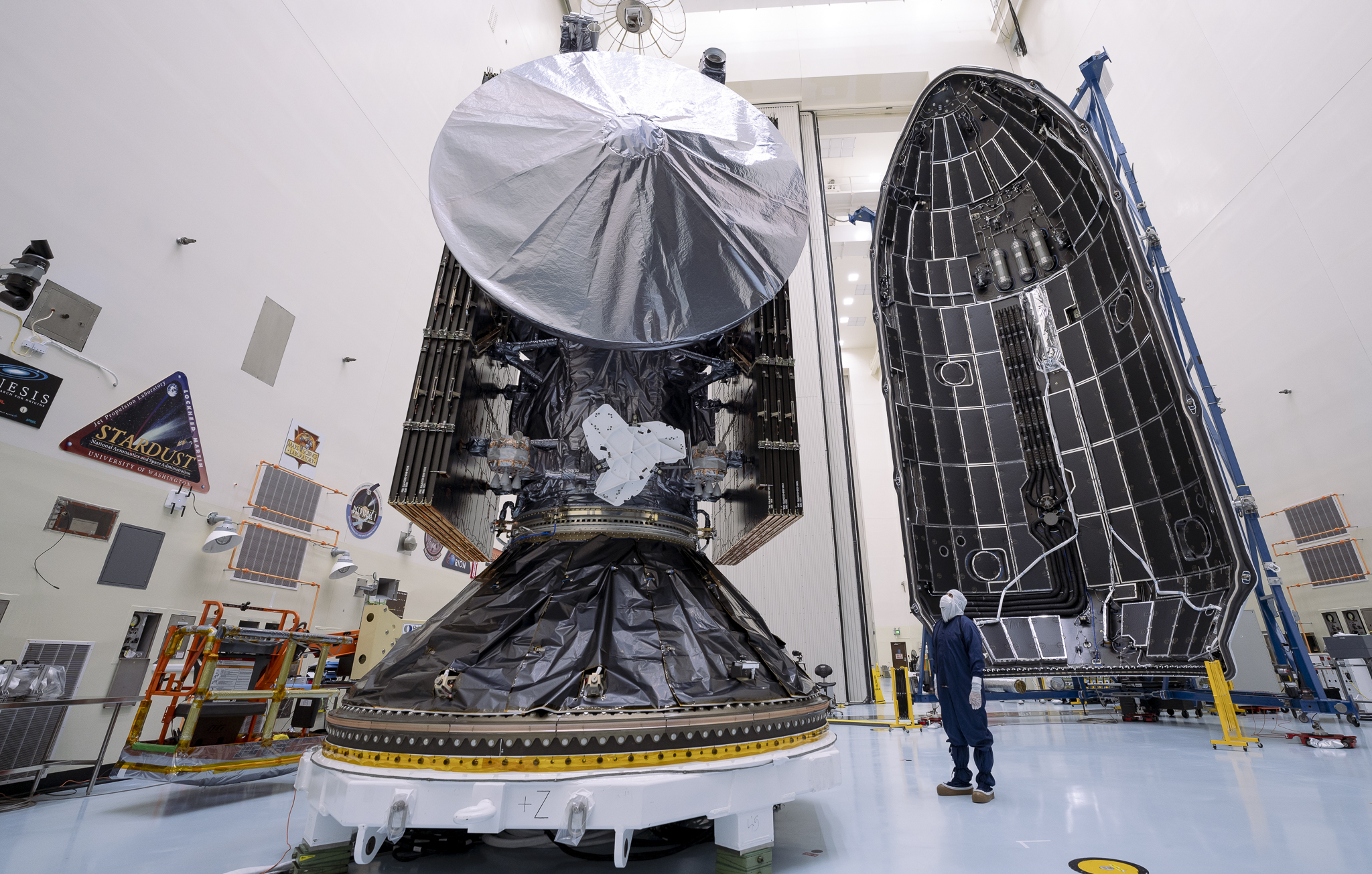
The largest NASA spacecraft ever built for a mission headed to another planet, Europa Clipper also is the agency’s first mission dedicated to studying an ocean world beyond Earth. Using a suite of nine science instruments and a gravity experiment, the mission seeks to determine whether Jupiter’s moon, Europa, has conditions that could support life. There’s strong evidence that under Europa’s ice lies an enormous, salty ocean. Scientists also have found evidence that Europa may host organic compounds and energy sources under its surface. Managed by NASA’s Jet Propulsion Laboratory, the spacecraft launched on Oct. 14, and will begin orbiting Jupiter in 2030, flying by the icy moon 49 times to learn more about it.
Europa Clipper’s main science objectives are to determine the thickness of the moon’s icy shell and its interactions with the ocean below, to investigate its composition, and to characterize its geology. The detailed exploration will help scientists better understand the astrobiological potential for habitable worlds beyond our planet.
NASA’s Ames Research Center in California’s Silicon Valley manages the Advanced Composite Solar Sail System, and NASA’s Langley Research Center in Hampton, Virginia, designed and built the deployable composite booms and solar sail system. Within NASA’s Space Technology Mission Directorate (STMD), the Small Spacecraft Technology program funds and manages the mission and the Game Changing Development program developed the deployable composite boom technology.
The Deep Space Optical Communications experiment is funded by STMD’s Technology Demonstration Missions Program managed at NASA’s Marshall Space Flight Center in Huntsville, Alabama, and the agency’s Space Communications and Navigation program within the Space Operations Mission Directorate. Some of the technology was developed through NASA’s Small Business Innovation Research program.
Managed by Caltech in Pasadena, California, NASA’s Jet Propulsion Laboratory leads the development of the Europa Clipper mission in partnership with Johns Hopkins Applied Physics Laboratory in Laurel, Maryland for NASA’s Science Mission Directorate. The Applied Physics Laboratory designed the main spacecraft body in collaboration with the Jet Propulsion Laboratory as well as NASA’s Goddard Space Flight Center in Greenbelt, Maryland, NASA Marshall, and NASA Langley.
Related Terms
After 60 Years, Nuclear Power for Spaceflight is Still Tried and True
NASA
Editor’s Note: Originally published on June 21, 2021.
Six decades after the launch of the first nuclear-powered space mission, Transit IV-A, NASA is embarking on a bold future of human exploration and scientific discovery. This future builds on a proud history of safely launching and operating nuclear-powered missions in space.
“Nuclear power has opened the solar system to exploration, allowing us to observe and understand dark, distant planetary bodies that would otherwise be unreachable. And we’re just getting started,” said Dr. Thomas Zurbuchen, associate administrator for NASA’s Science Mission Directorate. “Future nuclear power and propulsion systems will help revolutionize our understanding of the solar system and beyond and play a crucial role in enabling long-term human missions to the Moon and Mars.”
From Humble Beginnings: Nuclear Power Spawns an Age of Scientific Discovery
On June 29, 1961, the John’s Hopkins University Applied Physics Laboratory launched the Transit IV-A Spacecraft. It was a U.S. Navy navigational satellite with a SNAP-3B radioisotope powered generator producing 2.7 watts of electrical power — about enough to light an LED bulb. Transit IV-A broke an APL mission-duration record and confirmed the Earth’s equator is elliptical. It also set the stage for ground-breaking missions that have extended humanity’s reach across the solar system.
Since 1961, NASA has flown more than 25 missions carrying a nuclear power system through a successful partnership with the Department of Energy (DOE), which provides the power systems and plutonium-238 fuel.
“The department and our national laboratory partners are honored to play a role in powering NASA’s space exploration activities,” said Tracey Bishop, deputy assistant secretary in DOE’s Office of Nuclear Energy. “Radioisotope Power Systems are a natural extension of our core mission to create technological solutions that meet the complex energy needs of space research, exploration, and innovation.”
There are only two practical ways to provide long-term electrical power in space: the light of the sun or heat from a nuclear source.We couldn’t do the mission without it. No other technology exists to power a mission this far away from the Sun, even today.

Alan Stern
Principal Investigator, NASA’s New Horizons Mission to Pluto and Beyond
“As missions move farther away from the Sun to dark, dusty, and harsh environments, like Jupiter, Pluto, and Titan, they become impossible or extremely limited without nuclear power,” said Leonard Dudzinski, chief technologist for NASA’s Planetary Science Division and program executive for Radioisotope Power.
That’s where Radioisotope Power Systems, or RPS, come in. They are a category of power systems that convert heat generated by the decay of plutonium-238 fuel into electricity.
“These systems are reliable and efficient,” said June Zakrajsek, manager for NASA’s Radioisotope Power Systems Program office at Glenn Research Center in Cleveland. “They operate continuously over long-duration space missions regardless of sunlight, temperature, charged particle radiation, or surface conditions like thick clouds or dust. They’ve allowed us to explore from the Sun to Pluto and beyond.”
RPS powered the Apollo Lunar Surface Experiment Package. They’ve sustained Voyager 1 and 2 since 1977, and they kept Cassini-Huygens’ instruments warm as it explored frigid Saturn and its moon Titan.
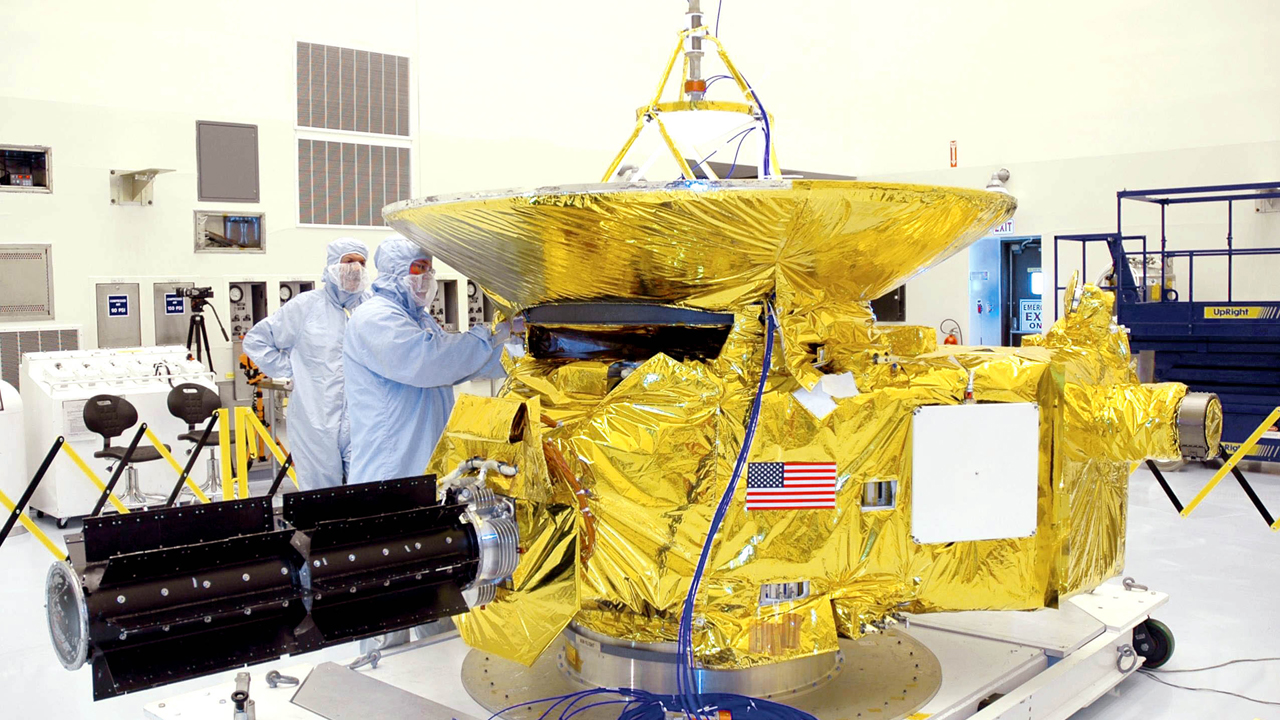
Today, a Multi-Mission Thermoelectric Generator (MMRTG) powers the Perseverance rover, which is captivating the nation as it searches for signs of ancient life on Mars, and a single RTG is sustaining New Horizons as it ventures on its way out of the solar system 15 years after its launch.
“The RTG was and still is crucial to New Horizons,” said Alan Stern, New Horizons principal investigator from the Southwest Research Institute. “We couldn’t do the mission without it. No other technology exists to power a mission this far away from the Sun, even today.”
Great Things to Come: Science and Human Exploration
Dragonfly, which is set to launch in 2028, is the next mission with plans to use an MMRTG. Part of NASA’s New Frontiers program, Dragonfly is an octocopter designed to explore and collect samples on Saturn’s largest moon, Titan, an ocean world with a dense, hazy atmosphere.
“RPS is really an enabling technology,” said APL’s Zibi Turtle, principal investigator for the upcoming Dragonfly mission. “Early missions like Voyager, Galileo, and Cassini that relied on RPS have completely changed our understanding and given us a geography of the distant solar system…Cassini gave us our first close-up look at the surface of Titan.”
According to Turtle, the MMRTG serves two purposes on Dragonfly: power output to charge the lander’s battery and waste heat to keep its instruments and electronics warm.
“Flight is a very high-power activity. We’ll use a battery for flight and science activities and recharge the battery using the MMRTG,” said Turtle. “The waste heat from the power system is a key aspect of our thermal design. The surface of Titan is very cold, but we can keep the interior of the lander warm and cozy using the heat from the MMRTG.”
As the scientific community continues to benefit from RPS, NASA’s Space Technology Mission Directorate is investing in new technology using reactors and low-enriched uranium fuel to enable a robust human presence on the Moon and eventually human missions to Mars.
Astronauts will need plentiful and continuous power to survive the long lunar nights and explore the dark craters on the Moon’s South Pole. A fission surface power system could provide enough juice to power robust operations. NASA is leading an effort, working with the DOE and industry to design a fission power system for a future lunar demonstration that will pave the way for base camps on the Moon and Mars.
NASA has also thought about viable ways to reduce the time it takes to travel to Mars, including nuclear propulsion systems.
As NASA advances its bold vision of exploration and scientific discovery in space, it benefits from 60 years of the safe use of nuclear power during spaceflight. Sixty years of enlightenment that all started with a little satellite called Transit IV-A.
Microgravity had no immediate effect on a person’s ability to perceive the height of an object, indicating that astronauts can safely perform tasks that rely on accurate and precise height judgments soon after arrival in space.
We use the height and width of objects around us to complete tasks such as reaching for objects and deciding whether we can fit through an opening. VECTION, an investigation from the Canadian Space Agency, examined the effect of microgravity on an astronaut’s visual perception and how that ability may adapt during flight or upon return to Earth. Researchers conclude there is no need for countermeasures but suggest that space travelers be made aware of late-emerging and potentially long-lasting changes in the ability to perceive object height.

Analysis of the genomes of five new species of bacteria found on the International Space Station identified specific adaptations to space, including the development of increased antibiotic resistance and a greater potential for causing diseases. The genes that facilitate these adaptations could serve as potential targets for drugs, helping to protect crew health on future missions.
Microbial Tracking-2 monitored viruses, bacteria, and fungi on the space station to catalog and characterize any with the potential to cause disease. Understanding the mechanisms behind adaptations to space could advance development of ways to protect crew member health as well as spacecraft and equipment on future missions. Microbial adaptations also have potential applications in biotechnology, such as engineering more resilient organisms for use in space and extraterrestrial environments.

When NASA’s Airborne Lightning Observatory for Fly’s Eye and the space station’s ASIM instrument briefly passed over the same geographic area, the airborne instrument detected terrestrial gamma‐ray flashes (TGFs) that were not detected by ASIM. TGFs are short bursts of gamma‐rays produced by lightning in thunderclouds. This result suggests that a significant number of TGFs are too weak to be observed from space and that the percentage of lightning associated with these phenomena may be higher than previously thought.
ASIM, an investigation from the European Space Agency, studies high-altitude lightning in thunderstorms and the role it plays in Earth’s atmosphere and climate. Results could help scientists develop better atmospheric models to guide weather and climate prediction and response. The airborne instrument took measurements at an altitude of about 12 miles and ASIM at approximately 260 miles above Earth’s surface.

Preparations for Next Moonwalk Simulations Underway (and Underwater)

The 30-acre pear orchard in the Sacramento-San Joaquin River Delta has been in Brett Baker’s family since the end of the Gold Rush. After six generations, though, California’s most precious resource is no longer gold – it’s water. And most of the state’s freshwater is in the delta.
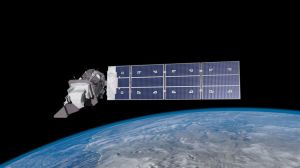
Landowners there are required to report their water use, but methods for monitoring were expensive and inaccurate. Recently, however, a platform called OpenET, created by NASA, the U.S. Geological Survey (USGS), and other partners, has introduced the ability to calculate the total amount of water transferred from the surface to the atmosphere through evapotranspiration. This is a key measure of the water that’s actually being removed from a local water system. It’s calculated based on imagery from Landsat and other satellites.
“It’s good public policy to start with a measure everyone can agree upon,” Baker said.
OpenET is only one of the latest uses researchers and businesses continue finding for Landsat over 50 years after the program started collecting continuous imagery of Earth’s surface. NASA has built and launched all nine of the satellites before handing them over to USGS, which manages the program.
Some of the most pressing questions people ask about Earth are about the food it’s producing. Agriculture and adjacent industries are among the heaviest users of Earth-imaging data, which can help assess crop health and predict yields.
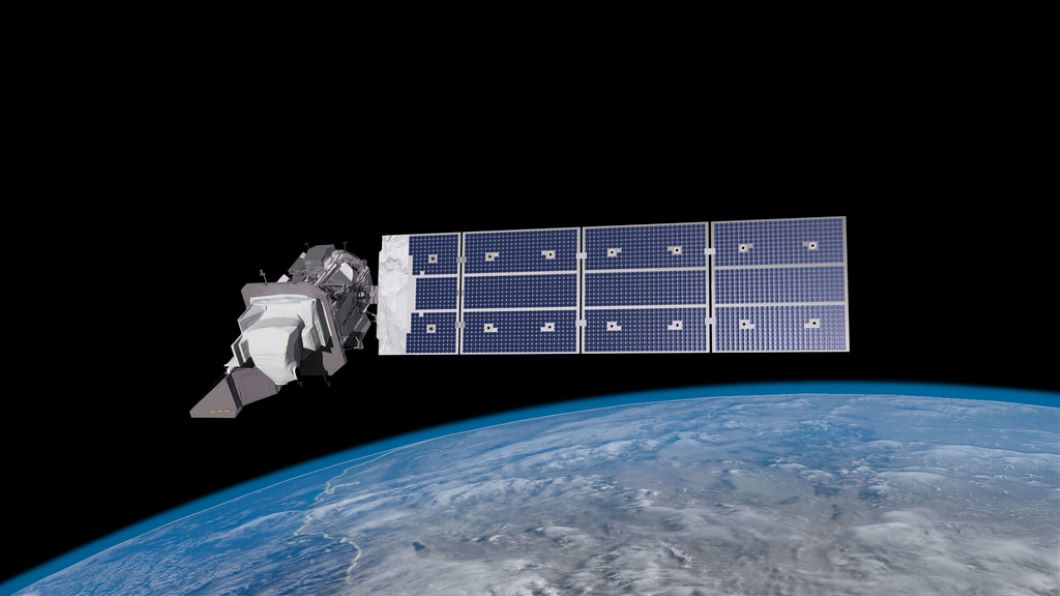
Even in this well-established niche, though, new capabilities continue to emerge. One up-and-coming company is using Landsat to validate sustainable farming practices by measuring carbon stored in the ground, which can be detected in the reflectance rate in certain wavelengths. This is how Perennial Inc. is enabling emerging markets for carbon credits, through which farmers get paid for maximizing their land’s storage of carbon.
The company is also discovering interest among food companies that want to reduce their environmental impact by choosing eco-conscious suppliers, as well as companies in the fertilizer, farm equipment, and agricultural lending businesses.
Landsat also enables countless map-based apps, studies of changes in Earth’s surface cover over half a century, and so much more.



NASA to Embrace Commercial Sector, Fly Out Legacy Relay Fleet
NASA is one step closer on its transition to using commercially owned and operated satellite communications services to provide future near-Earth space missions with increased service coverage, availability, and accelerated science and data delivery.
As of Friday, Nov. 8, the agency’s legacy TDRS (Tracking and Data Relay Satellite) system, as part of the Near Space Network, will support only existing missions while new missions will be supported by future commercial services.
“There have been tremendous advancements in commercial innovation since NASA launched its first TDRS satellite more than 40 years ago,” said Kevin Coggins, deputy associate administrator of NASA’s SCaN (Space Communications and Navigation) program. “TDRS will continue to provide critical support for at least the next decade, but now is the time to embrace commercial services that could enhance science objectives, expand experimentation, and ultimately provide greater opportunities for discovery. TDRS will continue to provide critical support for at least the next decade, but now is the time to embrace commercial services."

Kevin Coggins
Deputy Associate Administrator for NASA’s SCaN
Just as NASA has adopted commercial crew, commercial landers, and commercial transport services, the Near Space Network, managed by NASA’s SCaN, will leverage private industry’s vast investment in the Earth-based satellite communications market, which includes communications on airplanes, ships, satellite dish television, and more. Now, industry is developing a new space-based market for these services, where NASA plans to become one of many customers, bolstering the domestic space industry.
NASA’s Communications Services Project is working with industry through funded Space Act Agreements to develop and demonstrate commercial satellite communications services that meet the agency’s mission needs, and the needs of other potential users.
In 2022, NASA provided $278.5 million in funding to six domestic partners so they could develop and demonstrate space relay communication capabilities.
- Inmarsat Government Inc.
- Kuiper Government Solutions (KGS) LLC
- SES Space & Defense
- Space Exploration Technologies (SpaceX)
- Telesat U.S. Services LLC
- Viasat Incorporated

A successful space-based commercial service demonstration would encompass end-to-end testing with a user spacecraft for one or more of the following use cases: launch support, launch and early operations phase, low and high data rate routine missions, terrestrial support, and contingency services. Once a demonstration has been completed, it is expected that the commercial company would be able to offer their services to government and commercial users.
NASA also is formulating non-reimbursable Space Act Agreements with members of industry to exchange capability information as a means of growing the domestic satellite communications market. The Communications Services Project currently is partnered with Kepler Communications US Inc. through a non-reimbursable Space Act Agreement.
As the agency and the aerospace community expand their exploration efforts and increase mission complexity, the ability to communicate science, tracking, and telemetry data to and from space quickly and securely will become more critical than ever before. The goal is to validate and deliver space-based commercial communications services to the Near Space Network by 2031, to support future NASA missions.
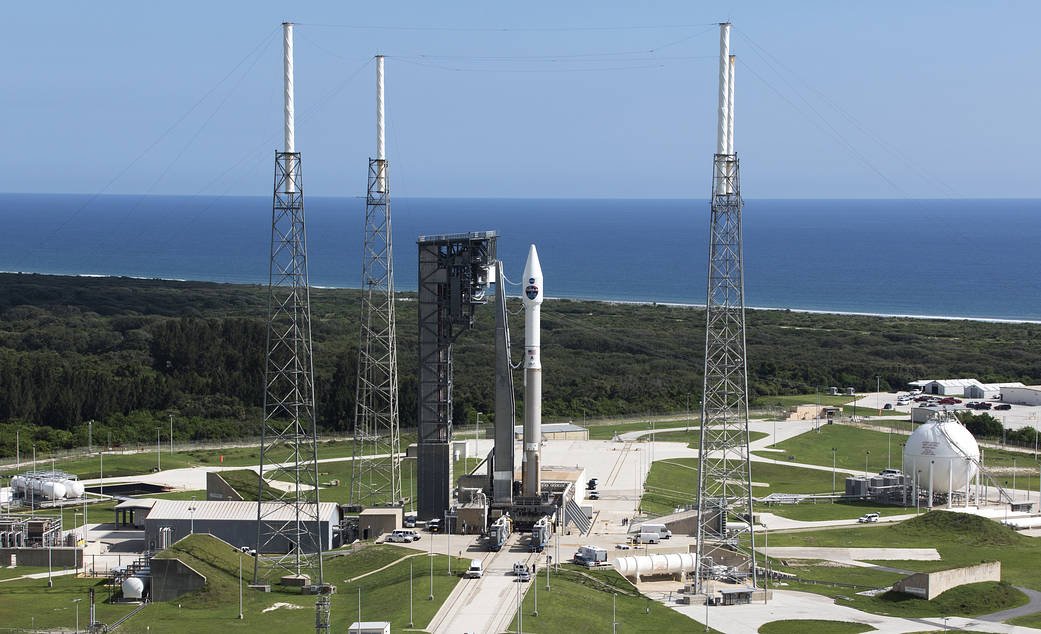
NASA’s Tracking and Data Relay System
While TDRS will not be accepting new missions, it won’t be retiring immediately. Current TDRS users, like the International Space Station, Hubble Space Telescope, and many other Earth- and universe-observing missions, will still rely on TDRS until the mid-2030s. Each TDRS spacecraft’s retirement will be driven by individual health factors, as the seven active TDRS satellites are expected to decline at variable rates. The TDRS fleet began in 1983 and consists of three generations of satellites, launching over the course of 40 years. Each successive generation of TDRS improved upon the previous model, with additional radio frequency band support and increased automation.
The first TDRS was designed for a mission life of 10 years, but lasted 26 years before it was decommissioned in 2009. The last in the third generation – TDRS-13 –was launched Aug. 18, 2017. The TDRS constellation has been a workhorse for the agency, enabling significant data transfer and discoveries.
DAve Israel
Near Space Network Chief Architect
“Each astronaut conversation from the International Space Station, every picture you’ve seen from Hubble Space Telescope, Nobel Prize-winning science data from the COBE satellite, and much more has flowed through TDRS,” said Dave Israel, Near Space Network chief architect. “The TDRS constellation has been a workhorse for the agency, enabling significant data transfer and discoveries.”
The Near Space Network and the Communications Services Project are funded by NASA’s SCaN (Space Communications and Navigation) program office at NASA Headquarters in Washington. The network is operated out of NASA’s Goddard Space Flight Center in Greenbelt, Maryland, and the Communications Services Project is managed out of NASA’s Glenn Research Center in Cleveland.

3 min read
Preparations for Next Moonwalk Simulations Underway (and Underwater)

Prioritizing health is important on Earth, and it’s even more important in space. Exploring beyond the Earth’s surface exposes humans to conditions that can impact blood pressure, bone density, immune health, and much more. With this in mind, two NASA inventors joined forces 20 years ago to create a way to someday monitor astronaut heart health on long-duration spaceflight missions. This technology is now being used to monitor the health of patients with heart failure on Earth through a commercial product that is slated to launch in late 2024.
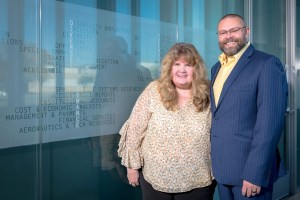
NASA inventors Dr. Rainee Simons, senior microwave communications engineer, and Dr. Félix Miranda, deputy chief of the Communications and Intelligent Systems Division, applied their expertise in radio frequency integrated circuits and antennas to create a miniature implantable sensor system to keep track of astronaut health in space. The technology, which was created at NASA’s Glenn Research Center in Cleveland with seed funds from the agency’s Technology Transfer Office, consists of a small bio-implanted sensor that can transmit a person’s health status from a sensor to a handheld device. The sensor is battery-less and wireless.
“You’re able to insert the sensor and bring it up to the heart or the aorta like a stent – the same process as in a stent implant,” Simons said. “No major surgery is needed for implantation, and operating the external handheld device, by the patient, is simple and easy.”
After Glenn patented the invention, Dr. Anthony Nunez, a heart surgeon, and Harry Rowland, a mechanical engineer, licensed the technology and founded a digital health medical technology company in 2007 called Endotronix, now an Edwards Lifesciences company. The company focuses on enabling proactive heart failure management with data-driven patient-to-physician solutions that detect dangers, based on the Glenn technology. The Endotronix primary monitoring system is called the Cordella Pulmonary Artery (PA) Sensor System. Dr. Nunez became aware of the technology while reading a technical journal that featured the concept, and he saw parallels that could be used in the medical technology industry.
The concept has proven to be an aid for heart failure management through several clinical trials, and patients have experienced improvements in their quality of life. Based on the outcome of Endotronix’s clinical testing to demonstrate safety and effectiveness, in June 2024 the U.S. Food and Drug Administration granted premarket approval to the Cordella PA Sensor System. The system is meant to help clinicians remotely assess, treat, and manage heart failure in patients at home with the goal of reducing hospitalizations.
“If you look at the statistics of how many people have congestive heart failure, high blood pressure… it’s a lot of people,” Miranda said. “To have the medical community saying we have a device that started from NASA’s intellectual property – and it could help people worldwide to be healthy, to enjoy life, to go about their business – is highly gratifying, and it’s very consistent with NASA’s mission to do work for the benefit of all.”
Preparations for Next Moonwalk Simulations Underway (and Underwater)
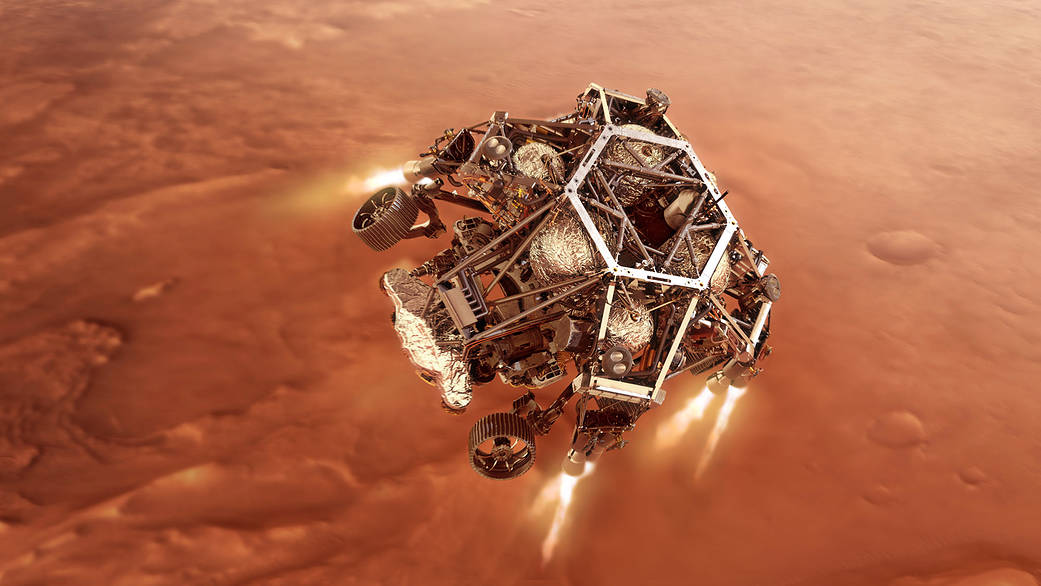
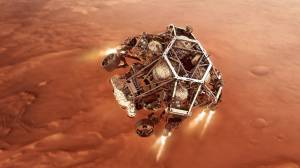
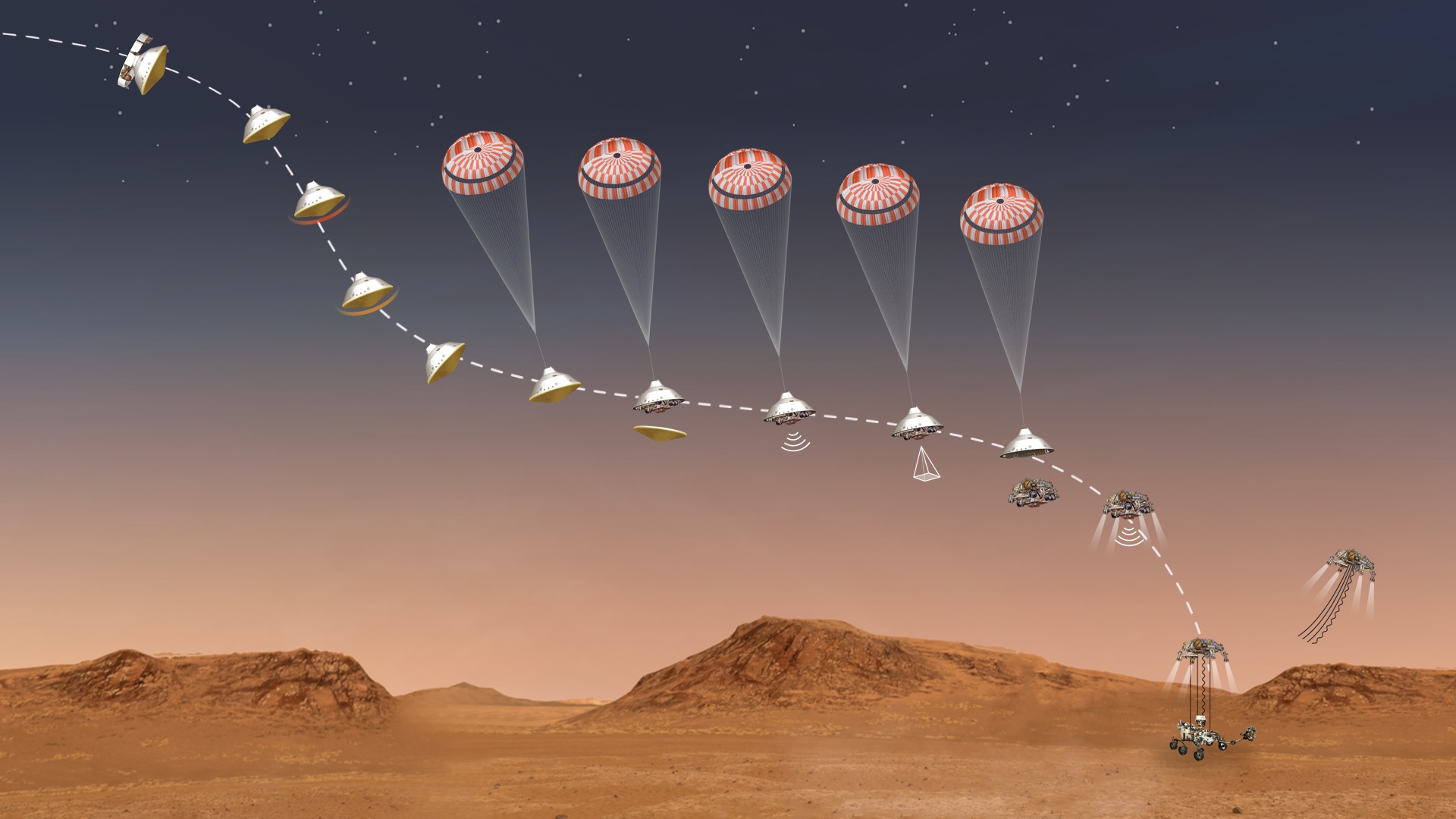
The Curiosity and Perseverance Mars rovers continue to provide a wealth of information about the Red Planet. This was made possible in part by the sky crane landing systems that safely lowered them to the planet’s surface. Their successful descent, managed by eight powerful engines, depended on one small part – a valve.
The engines produced about 750 pounds of thrust each, so they required more fuel than a conventional valve could deliver, said Carl Guernsey, propulsion subsystem chief engineer for the Mars Sample Laboratory Mission.
“With the engines pointing down, we throttle up and increase the thrust, so we slow down,” said Guernsey. “At a certain altitude above the surface, you hold at a constant velocity to collect more sensor data, and then proceed with the rest of the descent.”
With only seconds for sensor data to identify the landing area and direct any last-minute diversion maneuvers, landing requires fuel available at the right time. To build the valve to help accomplish this task, NASA turned to a company that has provided the space program with reliable gas regulators since the 1950s. Through a series of mergers, by 2021, the original company, called Conax Florida, became part of Eaton based in Orchard Park, New York.
Working under contract with NASA’s Jet Propulsion Laboratory in Southern California, the company developed a new one-time-use pyrovalve to sit between the hydrazine fuel tank and engines. The zero-leak valve was the largest ever made of its type at the time, at three-fourths of an inch.

This one-time-use pyrovalve sat between the hydrazine fuel tank and the controlled-descent engines on the sky crane for the Curiosity and Perseverance Mars rovers. The zero-leak valve developed by Eaton also ensured no fuel was lost on the long flight to Mars.
The Y-shaped pipe with a pair of leak-proof solid metal barriers prevented propellant from flowing. The valve contains a pyrotechnic charge that activates a piston called a flying ram, which shears off the barriers, allowing fuel to flow. But a problem arose during flight qualification testing. Sometimes the ram didn’t stay wedged in place at the bottom, posing a blockage risk.
The solution the team came up with had never been tried before – magnets at the bottom of the valve. But the successful Perseverance landing in 2021 proved it works. The same valve is included in the Perseverance rover and now enables commercial rocket-stage separation in space.
Explore More

NASA Terminal Transmits First Laser Communications Uplink to Space
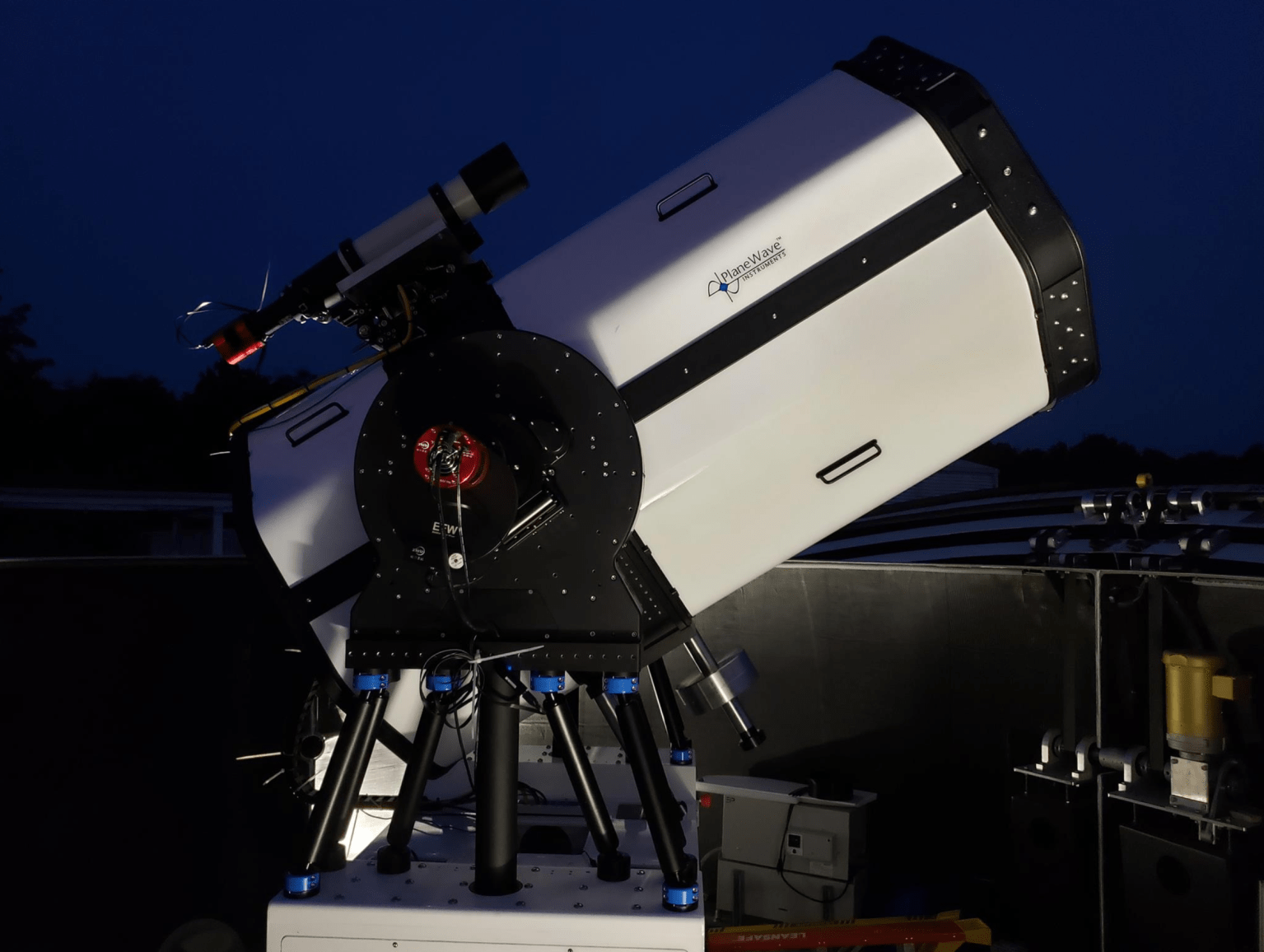
NASA’s LCOT (Low-Cost Optical Terminal), a ground station made of modified commercial hardware, transmitted its first laser communications uplink to the TBIRD (TeraByte Infrared Delivery), a tissue box-sized payload formerly in low Earth orbit.
During the first live sky test, NASA’s LCOT produced enough uplink intensity for the TBIRD payload to identify the laser beacon, connect, and maintain a connection to the ground station for over three minutes. This successful test marks an important achievement for laser communications: connecting LCOT’s laser beacon from Earth to TBIRD required one milliradian of pointing accuracy, the equivalent of hitting a three-foot target from over eight American football fields away.
The test was one of many laser communications achievements TBIRD made possible during its successful, two-year mission. Prior to its mission completion on Sept. 15, 2024, the payload transmitted at a record-breaking 200 gigabits per second. In an actual use case, TBIRD’s three-minute connection time with LCOT would be sufficient to return over five terabytes of critical science data, the equivalent of over 2,500 hours of high-definition video in a single pass. As the LCOT sky test demonstrates, the ultra-high-speed capabilities of laser communications will allow science missions to maintain their connection to Earth as they travel farther than ever before.

NASA’s SCaN (Space Communications and Navigation) program office is implementing laser communications technology in various orbits, including the upcoming Artemis II mission, to demonstrate its potential impact in the agency’s mission to explore, innovate, and inspire discovery.
“Optical, or laser, communications can transfer 10 to 100 times more data than radio frequency waves,” said Kevin Coggins, deputy associate administrator and SCaN program manager. “Literally, it’s the wave of the future, as it’ll enable scientists to realize an ever-increasing amount of data from their missions and will serve as our critical lifeline for astronauts traveling to and from Mars.”
Historically, space missions have used radio frequencies to send data to and from space, but with science instruments capturing more data, communications assets must meet increasing demand. The infrared light used for laser communications transmits the data at a shorter wavelength than radio, meaning ground stations on Earth can send and receive more data per second.
The LCOT team continues to refine pointing capabilities through additional tests with NASA’s LCRD (Laser Communications Relay Demonstration). As LCOT and the agency’s other laser communications missions continue to reach new milestones in connectivity and accessibility, they demonstrate laser communications’ potential to revolutionize scientists’ access to new data about Earth, our solar system, and beyond.
“It’s a testament to the hard work and skill of the entire team,” said Dr. Haleh Safavi, project lead for LCOT. “We work with very complicated and sensitive transmission equipment that must be installed with incredible precision. These results required expeditious planning and execution at every level.”

Experiments like TBIRD and LCRD are only two of SCaN’s multiple in-space demonstrations of laser communications, but a robust laser communications network relies on easily reconfigurable ground stations on Earth. The LCOT ground station showcases how the government and aerospace industry can build and deploy flexible laser communications ground stations to meet the needs of a wide variety of NASA and commercial missions, and how these ground stations open new doors for communications technology and extremely high data volume transmission.
NASA’s LCOT is developed by the agency’s Goddard Space Flight Center in Greenbelt, Maryland. TBIRD was developed in partnership with the Massachusetts Institute of Technology Lincoln Laboratory (MIT-LL) in Lexington. TBIRD was flown and operated as a collaborative effort among NASA Goddard; NASA’s Ames Research Center in California’s Silicon Valley; NASA’s Jet Propulsion Laboratory in Southern California; MIT-LL; and Terran Orbital Corporation in Irvine, California. Funding and oversight for LCOT and other laser communications demonstrations comes from the (SCaN) Space Communications and Navigation program office within the Space Operations Mission Directorate at NASA Headquarters in Washington.
Preparations for Next Moonwalk Simulations Underway (and Underwater)
Space is hard, but it’s not all hardware.
The new Lunar Autonomy Challenge invites teams of students from U.S. colleges and universities to test their software development skills. Working entirely in virtual simulations of the Moon’s surface, teams will develop an autonomous agent using software that can accomplish pre-defined tasks without help from humans. These agents will be used to navigate a digital twin of NASA’s ISRU Pilot Excavator (IPEx) and map specified locations in the digital environment. The IPEx is an autonomous mobility robot engineered to efficiently collect and transport lunar regolith, the loose rocky material on the Moon’s surface.
Autonomous systems allow spacecraft, rovers, and robots to operate without relying on constant contact with astronauts or mission control. Before hardware is trusted to operate independently on location, which for Artemis missions includes the Moon, it must be tested virtually. High-fidelity virtual simulations allow NASA to anticipate and improve how systems, both software and hardware, will function in the physical world. Testing in virtual simulations also allows technologists to explore different mission scenarios, observe potential outcomes, and reduce risks.
In the Lunar Autonomy Challenge, students will develop their knowledge of autonomous systems by working with open-source simulation tools, some of which are leveraged by Caterpillar Inc. of Irving, Texas, in internal development. Teams will need to utilize the IPEx digital twin’s cameras and orientation sensors to accurately map surface elevation and identify obstacles. Like with real lunar missions, teams must also manage their energy usage and consider the Moon’s harsh terrain and low-light conditions. Through the competition, participants will learn more about autonomous robotic operation, surface mapping, localization, orientation, path planning, and hazard detection.
Eligibility
Teams must be comprised of at least four undergraduate and/or graduate students and a faculty advisor at a U.S. college or university.
Challenge Timeline & Structure
The challenge will take place between November 2024 and May 2025 and will include both a qualifying round and a final round. Interested teams must apply by Thursday, Nov. 7.
- Round 1: Selected teams will develop and train their agent using provided virtual environments. Teams will have three opportunities to submit their agent to run in a qualification environment. For each submission, their agent will be scored based on performance.
The top scoring teams will be invited to continue.
- Round 2: Teams will work to further refine the agents. Teams will have multiple opportunities in total to submit their agents to the competition environment. The top three teams will be named challenge winners.
Challenge Guidelines
Interested teams should carefully review the Challenge Guidelines and the Lunar Autonomy Challenge site for more details, including proposal requirements, FAQs, and additional technical guidance.
Application Submissions
Applications must be submitted to NASA STEM Gateway by Nov. 7, 2024.
Learn more about the challenge: https://lunar-autonomy-challenge.jhuapl.edu
The Lunar Autonomy Challenge is a collaboration between NASA, The Johns Hopkins University (JHU) Applied Physics Laboratory (APL), Caterpillar Inc., and Embodied AI. APL is managing the challenge for NASA.

Authored by: Stephanie Yeldell, Education Integration Lead
Space Technology Mission Directorate
NASA Headquarters, Washington, DC

Preparations for Next Moonwalk Simulations Underway (and Underwater)
A major component of NASA’s Nancy Grace Roman Space Telescope just took a spin on the centrifuge at NASA’s Goddard Space Flight Center in Greenbelt, Maryland. Called the Outer Barrel Assembly, this piece of the observatory is designed to keep the telescope at a stable temperature and shield it from stray light.

The two-part spin test took place in a large, round test chamber. Stretching across the room, a 600,000-pound (272,000-kilogram) steel arm extends from a giant rotating bearing in the center of the floor.
The test itself is like a sophisticated version of a popular carnival attraction, designed to apply centrifugal force to the rider — in this case, the outer covering for Roman’s telescope. It spun up to 18.4 rotations per minute. That may not sound like much, but it generated force equivalent to just over seven times Earth’s gravity, or 7 g, and sent the assembly whipping around at 80 miles per hour.
“We couldn’t test the entire Outer Barrel Assembly in the centrifuge in one piece because it’s too large to fit in the room,” said Jay Parker, product design lead for the assembly at Goddard. The structure stands about 17 feet (5 meters) tall and is about 13.5 feet (4 meters) wide. “It’s designed a bit like a house on stilts, so we tested the ‘house’ and ‘stilts’ separately.”
The “stilts” went first. Technically referred to as the elephant stand because of its similarity to structures used in circuses, this part of the assembly is designed to surround Roman’s Wide Field Instrument and Coronagraph Instrument like scaffolding. It connects the upper portion of the Outer Barrel Assembly to the spacecraft bus, which will maneuver the observatory to its place in space and support it while there. The elephant stand was tested with weights attached to it to simulate the rest of the assembly’s mass.

Next, the team tested the “house” — the shell and a connecting ring that surround the telescope. These parts of the assembly will ultimately be fitted with heaters to help ensure the telescope’s mirrors won’t experience wide temperature swings, which make materials expand and contract.
To further protect against temperature fluctuations, the Outer Barrel Assembly is mainly made of two types of carbon fibers mixed with reinforced plastic and connected with titanium end fittings. These materials are both stiff (so they won’t warp or flex during temperature swings) and lightweight (reducing launch demands).
If you could peel back the side of the upper portion –– the house’s “siding” –– you’d see another weight-reducing measure. Between inner and outer panels, the material is structured like honeycomb. This pattern is very strong and lowers weight by hollowing out portions of the interior.
Designed at Goddard and built by Applied Composites in Los Alamitos, California, Roman’s Outer Barrel Assembly was delivered in pieces and then put together in a series of crane lifts in Goddard’s largest clean room. It was partially disassembled for centrifuge testing, but will now be put back together and integrated with Roman’s solar panels and Deployable Aperture Cover at the end of the year.
In 2025, these freshly integrated components will go through thermal vacuum testing together to ensure they will withstand the temperature and pressure environment of space. Then they’ll move to a shake test to make sure they will hold up against the vibrations they’ll experience during launch. Toward the end of next year, they will be integrated with rest of the observatory.
To virtually tour an interactive version of the telescope, visit:
https://roman.gsfc.nasa.gov/interactive
The Nancy Grace Roman Space Telescope is managed at NASA’s Goddard Space Flight Center in Greenbelt, Maryland, with participation by NASA’s Jet Propulsion Laboratory and Caltech/IPAC in Southern California, the Space Telescope Science Institute in Baltimore, and a science team comprising scientists from various research institutions. The primary industrial partners are BAE Systems, Inc in Boulder, Colorado; L3Harris Technologies in Rochester, New York; and Teledyne Scientific & Imaging in Thousand Oaks, California.
Post a Comment